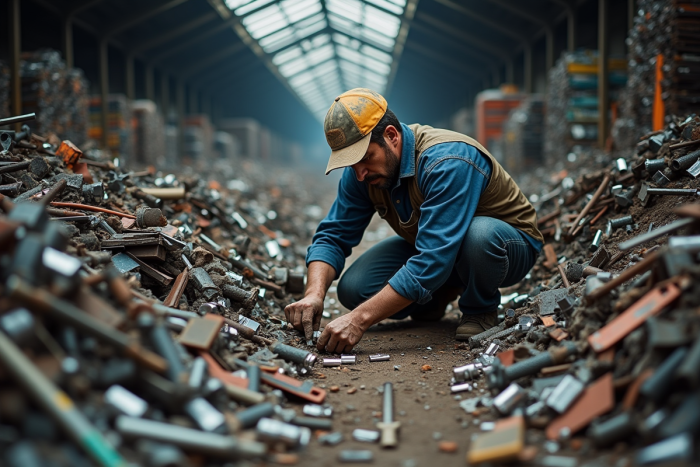
Selling scrap metal can be lucrative if you understand the ins and outs of the market. To maximize profits, you need to understand the key players and their rates. Scrap dealers, recycling centers, and metal brokers each play a distinct role in the value chain.
Rates fluctuate based on global demand and metal prices, so you must stay informed. Negotiating directly with buyers or using specialized platforms can make a significant difference. Smart management of these relationships and knowledge of current prices ensure optimized sales.
The Key Players in Scrap Metal Sales
To optimize the sale of your scrap metal, identify the main players in the industry. Each has its specifics and advantages.
Scrap Dealers
Scrap dealers are professionals who buy and sell metal. They act as intermediaries between scrap sellers and large recycling companies. Their expertise and market knowledge allow them to obtain competitive prices. Their margins can vary, impacting the final price.
Recycling Centers
Recycling centers are facilities where scrap metal is sorted, processed, and transformed. They often offer higher rates than scrap dealers because they process metals directly for resale to industries. The Derichebourg rate, for example, is a key indicator for understanding market trends. Consult reliable sources to check current rates and get sales advice.
Metal Brokers
Metal brokers act as liaisons between scrap sellers and industrial buyers. They do not hold inventory but use their network to secure favorable prices. Their compensation is commission-based, which can influence the final price.
- Brokers: negotiate the best deals through their network.
- Recycling Centers: process metals directly for potentially higher rates.
- Scrap Dealers: intermediaries between sellers and recycling companies.
Navigating between these players requires a deep understanding of price dynamics and market trends. Stay informed and use updated resources to maximize your profits.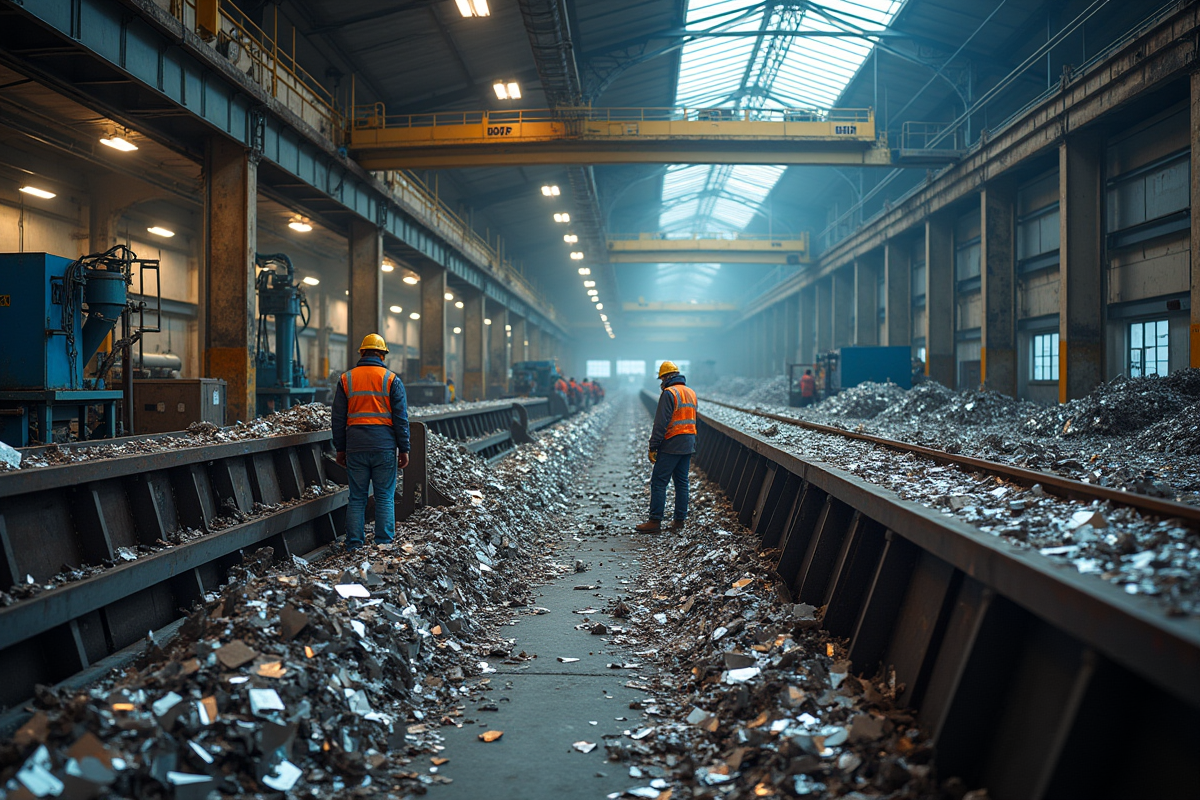
Rates and How to Optimize Them
To maximize your profits when selling scrap metal, understand the pricing mechanisms. Prices vary based on several factors: the quality of the metal, market demand, and overall economic fluctuations.
Factors Influencing Rates
Scrap metal rates are primarily determined by:
- The quality of the metal: the purer the metal, the higher the price. Mixed or contaminated metals see their value decrease.
- Demand: fluctuations in industrial demand directly influence prices. During periods of high demand, rates increase.
- Economic conditions: raw material prices on global markets impact scrap metal rates. Follow economic trends to anticipate variations.
Optimizing Your Rates
To obtain the best prices, adopt a proactive strategy:
- Sorting and cleaning: separate metals by type and clean them to increase their value. Clean and well-sorted metal is always better compensated.
- Direct sales to recycling centers: by eliminating intermediaries, maximize your profits. Recycling centers often offer higher rates than scrap dealers.
- Monitoring rates: use reliable resources to track current prices. KF Finances provides updated information on rates and sales advice.
By following these recommendations, significantly improve your income. Stay vigilant and constantly adapt your strategy based on market developments.