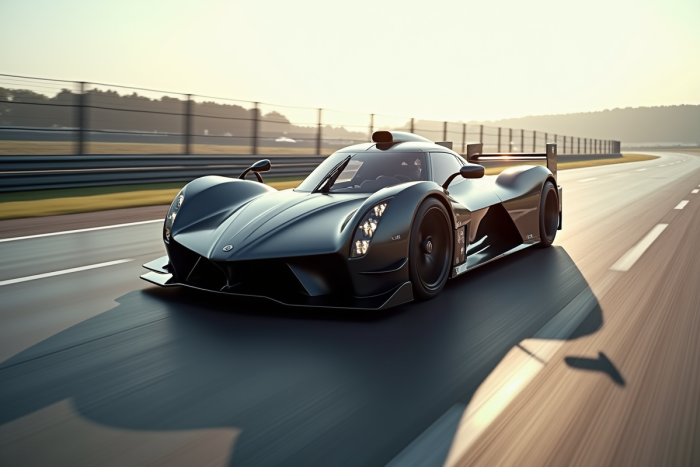
Supercars, those dream machines for speed enthusiasts, hide many secrets under their hoods. The relentless pursuit of performance drives engineers to push the boundaries of technology and innovation. Every component, from the engine to the tires, is meticulously designed to ensure extraordinary performance.
Aerodynamics plays a fundamental role in the efficiency of these exceptional cars. Lightweight and durable materials like carbon fiber are used to lighten the structure while optimizing stability at high speeds. The engines, often masterpieces of precision, combine raw power and technological sophistication to deliver blistering accelerations.
Technological Advancements and Their Impact on Performance
Technological advancements play a fundamental role in the quest for supercar performance. The powertrains are at the heart of these innovations. The Lamborghini Huracán, with its 5.2-liter V10 engine, produces 640 horsepower and reaches 100 km/h in 2.9 seconds. In comparison, the Ferrari 488 GTB uses a 3.9-liter twin-turbo V8 generating 670 horsepower, allowing it to achieve impressive speeds. The Porsche 911 Turbo S, equipped with a flat-six engine, develops 650 horsepower and reaches 100 km/h in just 2.7 seconds.
These performances are not solely due to the power of the engines. The optimization of aerodynamics and the use of innovative materials such as carbon fiber play a fundamental role. These elements allow for a lighter structure while improving stability and handling at high speeds. The technology Zeperf offers a detailed analysis of the performance of these vehicles, enabling engineers to refine each component to maximize efficiency.
- 5.2-liter V10 engine – Lamborghini Huracán
- 3.9-liter twin-turbo V8 – Ferrari 488 GTB
- Flat-six engine – Porsche 911 Turbo S
These technological advancements have a direct impact on the acceleration and power of supercars, setting new standards in the automotive industry. Enthusiasts and experts can follow these developments through specialized platforms like ZePerf, which provide precise and detailed technical analyses.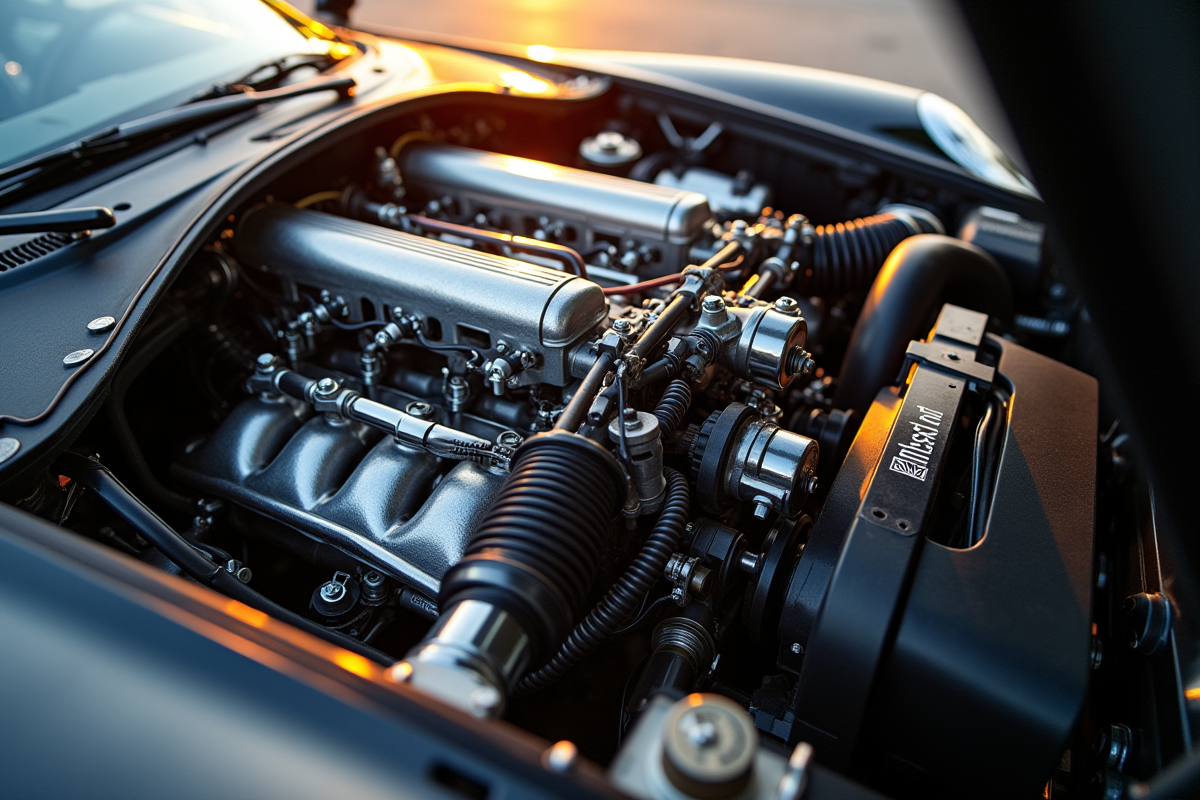
The Role of Aerodynamics and Innovative Materials
Aerodynamics is at the heart of supercar performance. Engineers strive to reduce drag and increase downforce to improve vehicle stability at high speeds. Every curve, every wing is designed to optimize airflow. The Bugatti Veyron Super Sport, for example, uses active wings that adjust based on speed to maximize grip.
The use of innovative materials such as carbon fiber and aluminum allows for significant weight reduction in vehicles. The Lamborghini Aventador S, with its carbon fiber chassis, boasts a reduced weight while offering increased structural rigidity. These materials push the limits of performance while ensuring optimal safety.
Examples of Vehicles and Personalities
Neymar, a supercar enthusiast, favors the Lamborghini Huracán, an exemplary model in terms of aerodynamics and materials. The Brazilian player does not hide his admiration for the sharp lines and performance of this car. On his part, GMK, a famous car collector, owns several models like the BMW M3 CS and the Aston Martin DBS Superleggera. Each of these vehicles benefits from the latest advancements in aerodynamics and materials.
- Lamborghini Aventador S – carbon fiber chassis
- Bugatti Veyron Super Sport – active wings
- BMW M3 CS – advanced aerodynamic properties
Also consider models like the Mercedes C63 Black Series and the Audi RS3 Performance by ABT, which perfectly illustrate the use of innovative technologies to optimize performance. These vehicles continue to push the limits, establishing new standards in the automotive industry.