When you start preparing a recipe, it’s not uncommon to find yourself faced with volume measurements expressed in units different from those you’re used to. Between milliliters, cups, and ounces, confusion can quickly set in. Fortunately, there are simple tips to convert these measurements without making mistakes and thus avoid errors that could ruin a dish.
Whether you’re an experienced chef or a weekend cook, mastering these conversions can make all the difference. Following a few clear steps can save time and allow you to cook with peace of mind.
The Basics of Volume Units in Cooking
In cooking, volume units often vary, ranging from milliliters to cups, from centiliters to ounces. Knowing the equivalents helps avoid dosing errors. Here are the most common conversions:
- 1 cup equals 240 milliliters.
- 1 fluid ounce corresponds to about 30 milliliters.
- 1 liter contains 1000 milliliters or 100 centiliters.
- 1 tablespoon measures about 15 milliliters.
To easily convert measurements, use online tools or conversion charts. For example, to convert 120 cl to liters, a simple search or chart will quickly give you the answer: 120 cl equals 1.2 liters. This conversion is useful for adjusting recipes to larger or smaller formats.
Avoid Common Mistakes
Many cooks make mistakes by confusing volume units. To avoid this, always double-check conversions. Here are some tips:
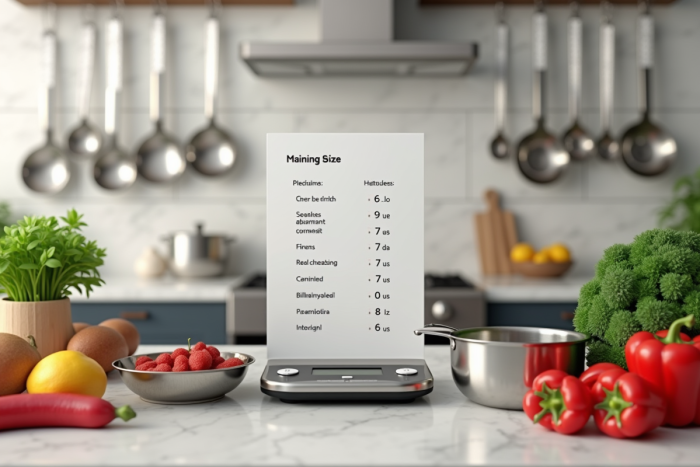
- Use a kitchen scale for precise measurements.
- Always have a set of standard measuring cups and spoons.
- Regularly consult reliable conversion charts.
By following these recommendations, you will ensure the success of your recipes and avoid approximations that could alter the final result. Make it a habit to check volume units, and you will quickly become an expert in culinary conversions.
Practical Tips for Easily Converting Volume Measurements
To avoid frequent mistakes in the kitchen, follow these practical tips. They will help you convert volume measurements accurately and simply.
Use Reliable Digital Tools
Apps and specialized websites greatly facilitate conversions. For example, to convert 500 milliliters to cups, an online tool will quickly give you the answer: about 2 cups. These resources are invaluable for quickly and accurately adjusting your recipes.
Memorize a Few Key Equivalents
Knowing common equivalents can save time in the kitchen. Here are some useful conversions to remember:
- 1 liter = 4.2 cups
- 1 cup = 16 tablespoons
- 1 teaspoon = 5 milliliters
These essential benchmarks will allow you to quickly convert measurements without constantly consulting charts.
Invest in Quality Measuring Equipment
Use standard measuring cups and spoons to ensure accurate conversions. A kitchen scale can also be useful for both liquids and solids. This equipment will help you better control the proportions of your recipes.
By following these practical tips, you will be able to easily convert volume measurements and successfully execute your recipes for sure. Precision in measurements is fundamental to achieving consistent and flavorful results.